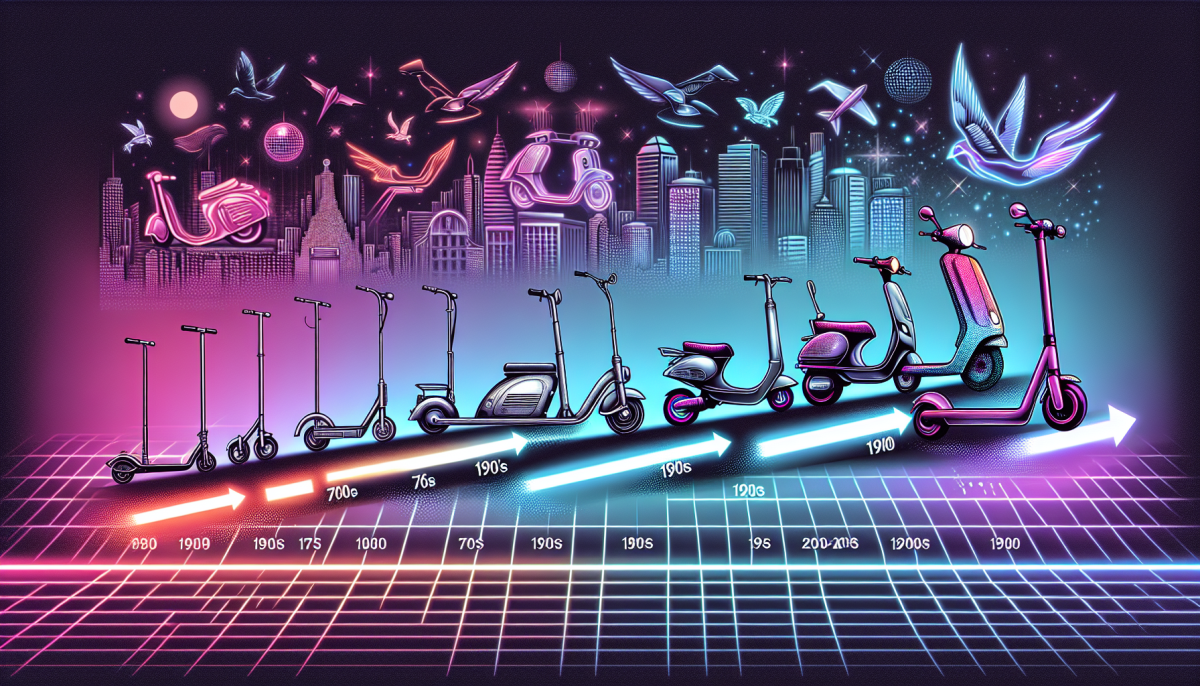
Electric scooters have an interesting history that started long before they became the popular forms of transport we see today. The idea of a motorized scooter can be traced back to the late 19th and early 20th centuries. Picture this: in 1895, a man named Gustav Trouvé invented a three-wheeled electric vehicle that had similarities to what we now know as electric scooters. It was powered by electricity, but it was still quite different from the sleek designs we see today.
Fast forward to the mid-20th century, and we see more innovations in personal electric transportation. The 1970s brought about a burst of creativity, with various companies experimenting with the concept of electric scooters. However, these early models were often clunky and didn’t gain much traction in the consumer market. They were more toys or novelties than practical modes of transport.
It wasn't until the 1990s that companies began taking electric scooters seriously as functional vehicles. Improvements in battery technology turned the hopes of small electric vehicles into reality. This decade saw the launch of electric scooters designed for both kids and adults, opening up new possibilities for convenient travel. The idea started to catch on, especially in urban areas where getting around quickly was key.
The early 2000s set the stage for electric scooters to evolve even further. With the rise of environmental awareness and interest in sustainable living, people began looking for alternatives to gas-guzzling vehicles. This shift in mindset helped push electric scooters into the spotlight. Suddenly, they weren't just for fun; they were a practical and eco-friendly option for getting around town.
Key Innovations Shaping Electric Scooters
Electric scooters have come a long way, thanks to some exciting innovations that are reshaping how we ride. One major change is the development of improved battery technology. Nowadays, you can find scooters with lithium-ion batteries that offer longer ranges and shorter charging times. This means you can zoom around town without worrying about running out of juice after just a few miles.
Another cool innovation is the incorporation of advanced smart technology. Many electric scooters now come with built-in GPS, allowing you to track your ride and find nearby charging stations or parking spots. Plus, some models even connect to your smartphone, letting you monitor battery life, speed, and even unlock the scooter with just a tap. It’s like having a little tech buddy with you on your rides!
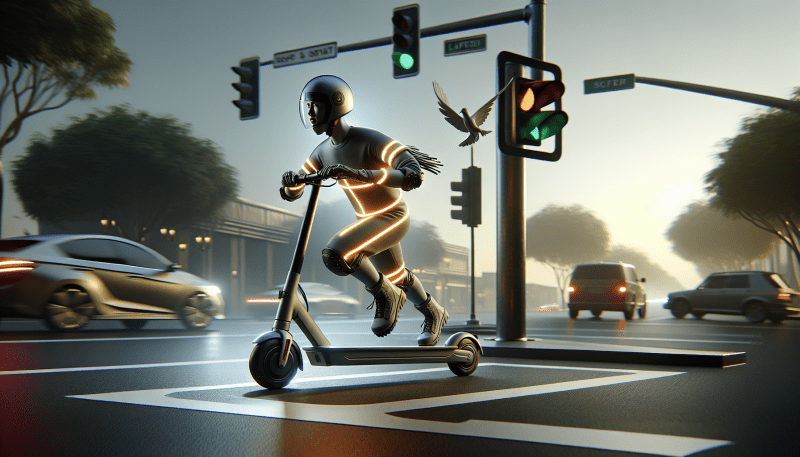
Safety has also taken a front seat with enhanced features like regenerative braking and integrated lights. Regenerative braking not only helps extend your battery life but also offers smoother stops. Meanwhile, brighter LED lights and reflectors make you more visible to others on the road, which is especially important for night rides.
Lastly, the weight of electric scooters has been reduced significantly. New materials and design techniques have made scooters lighter without sacrificing durability. This makes it easier to carry your scooter when you’re not riding it and also makes a big difference when it comes to maneuverability on busy streets.
How Electric Scooters Changed Transportation
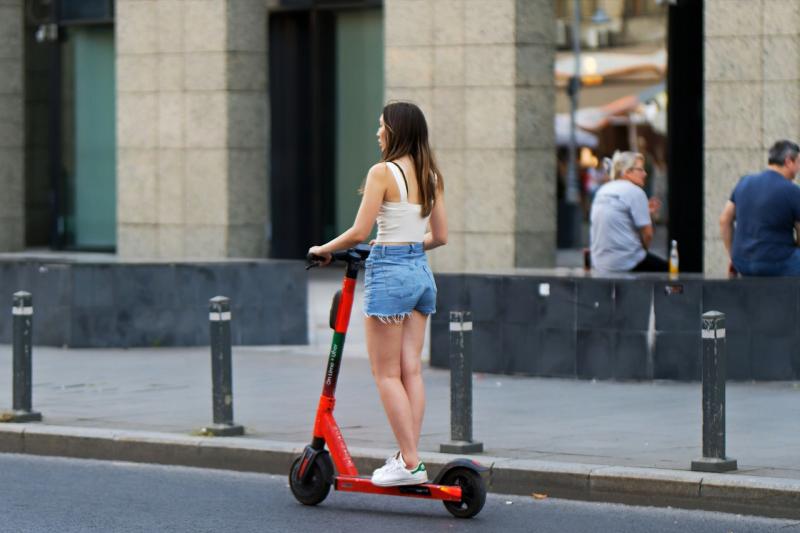
Electric scooters have truly revolutionized the way we think about getting from point A to point B. Imagine zipping through city streets without the hassles of traffic jams or searching for parking. That’s the magic of electric scooters! They offer a fun, eco-friendly, and affordable way to travel, making them a favorite choice for short commutes and leisurely rides alike.
The rise of electric scooters has also transformed urban mobility. Many cities have embraced this trend by adding dedicated lanes and parking spots, making it easier for riders to hop on and off safely. This shift not only encourages more people to use scooters but also reduces carbon emissions. It’s a win-win for both commuters and the environment!
What’s even better? The technology behind electric scooters has come a long way. Today’s models are lighter, faster, and have longer battery life than ever before. Many even come with features like app connectivity, built-in lights, and smart locks, which add to the overall convenience and safety of riding. This makes them a practical choice for many urban dwellers looking to save time and reduce their carbon footprint.
As electric scooters become more mainstream, we’re seeing a shift in how we approach transportation as a whole. They’re not just a trendy gadget; they’re a viable alternative to traditional vehicles for those everyday journeys. With all these benefits, it’s no surprise that e-scooters are here to stay and continue to change the face of urban transport.
Future Trends in Electric Scooter Technology
Electric scooters have come a long way, and the future holds some exciting possibilities! One major trend is battery technology. As batteries become more efficient, we can expect longer ranges and shorter charging times. Imagine zipping around your city on a scooter that can go for miles on a single charge!
Another trend that's gaining traction is smart technology integration. Many new scooters are coming equipped with features like GPS tracking, anti-theft alerts, and even smartphone connectivity. This means you'll not only enjoy a fun ride but also have enhanced security and navigation options at your fingertips.
Let’s not forget about sustainability. With growing environmental awareness, manufacturers are shifting towards eco-friendly materials and production methods. We could see scooters made from recycled materials and designed for easy recycling at the end of their lifecycle. It's a win-win for us and the planet!
Lastly, advancements in design and safety features are on the horizon. Expect better braking systems, improved lighting, and even more comfortable rides. As cities adapt to electric scooters, we may see dedicated lanes and improved infrastructure, making your rides smoother and safer than ever.